
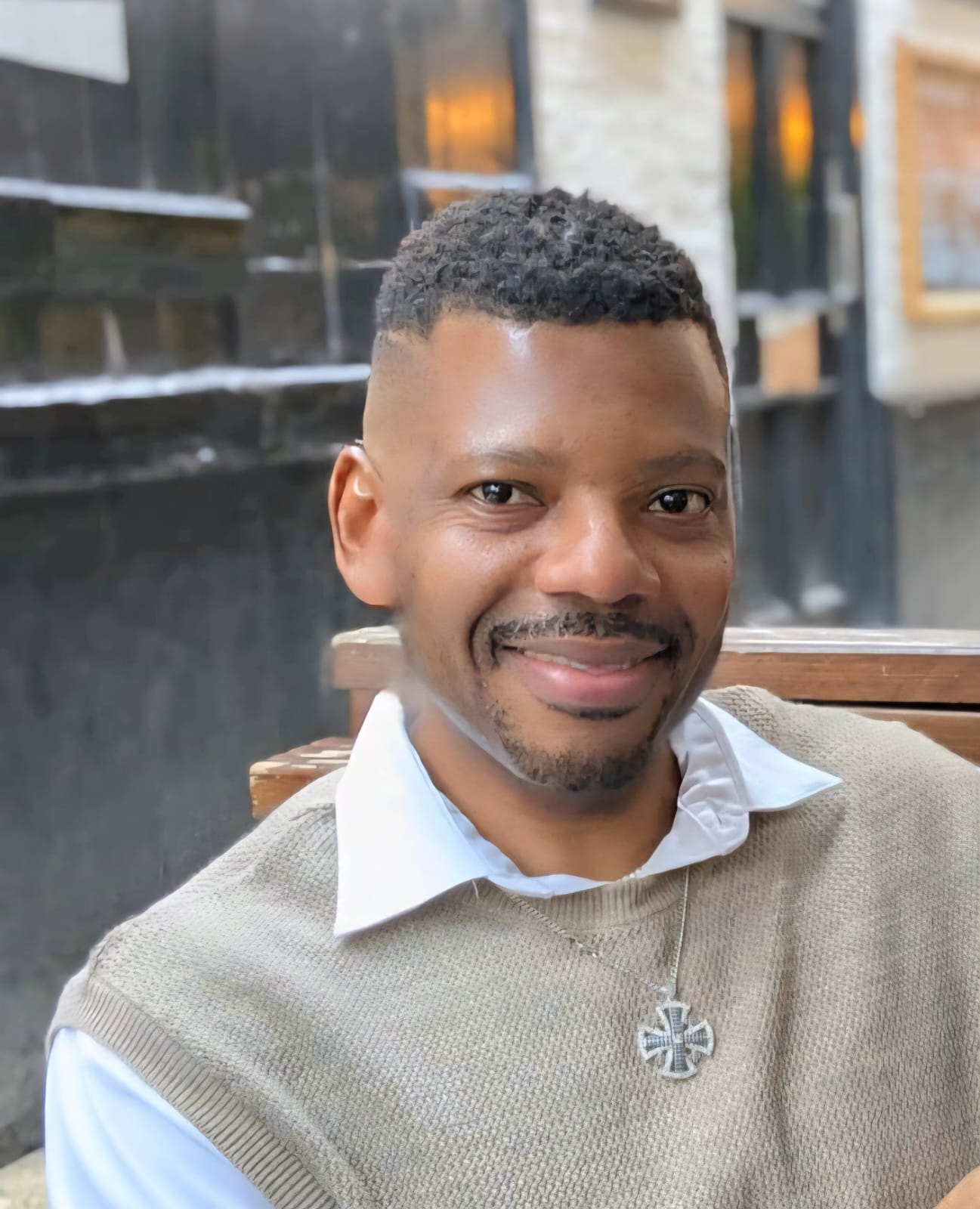
The Scottish Episcopal Institute welcomes Rev Dr Garfield Campbell as Research Associate – a member of the project team to deliver the Durham University Seedcorn Grant funded: ‘Teaching the Legacies of Slavery in TEI’s: Exploring teaching practice concerning the transatlantic slave-trade and reparations.’
This research forms part of a project funded by Durham University Common Awards Seedcorn Grant and carried out through SEI and Dr Victoria Turner as Principal Investigator. The objective of this study is to conduct empirical research regarding the teaching of historic church-connected transatlantic slavery and the current topic of reparations (not limited to economics) in UK TEI’s (with results useful also to Religion and Theology university departments).
The project will concentrate on the TEI’s partnered with the Durham University Common Awards programme and TEI’s based in the Anglophone Caribbean. This will involve multiple denominations all with their own entwined and complex relationships with the transatlantic slave trade. These denominations include: The Church of England, United Reformed Church, The Methodist Church, Baptist Union, Scottish Episcopal Church and the Church in Wales. This project seeks to explore pedagogic reparative action through addressing how the transatlantic slave trade and the church’s historic and current role in it, is, and should be, taught in theological colleges.
Rev Dr Garfield Campbell shares more about what led him to apply for this research position below:
‘My interest in researching how the histories and legacies of Transatlantic chattel enslavement, colonialism, and reparations are taught within Theological Education Institutions (TEIs) in the UK and the Anglophone Caribbean stems from both my academic work and personal vocation. As a Black Anglican priest from Jamaica and an alumnus of the United Theological College of the West Indies (UTCWI), I am acutely aware of how Christianity, enslavement, and colonialism have shaped Caribbean societies and churches.
My doctoral research examines the Church of England’s work in Jamaica in the early nineteenth century, a period when the Church was intimately connected to a plantation society built on enslaved labour. This research has deepened my interest in how theological institutions engage with these complex and often painful histories, and in whether they adequately prepare future church leaders to address their ongoing social, economic, and spiritual consequences. I am particularly interested in how questions of historical responsibility, justice, memory, and reparations are integrated into theological education and ministerial formation.
My positionality as a Jamaican priest and scholar shapes my conviction that theological education should foster critical engagement with the past while equipping Christian leaders to contribute meaningfully to contemporary conversations about reconciliation, repair, and social transformation. Through this research, I hope to explore how TEIs can serve as important spaces for truth-telling, theological reflection, and the pursuit of justice in societies still living with the enduring legacies of enslavement and colonialism.’
We are so glad to welcome Garfield who has already got stuck in with the research.